CompuWeb Services
We create stunning, responsive websites that look great on any device and help your business stand out online. From personal portfolios and iOS apps to full e-commerce stores, we design with your goals in mind — blending creativity, functionality, and SEO best practices to attract and convert visitors. Also customer owns the website code.
Web Developer Pros
Total creative freedom: Build unique layouts and special animations that pre-made studio templates cannot support.
Better speed and performance: Write lean code that loads faster and handles heavy web traffic smoothly.
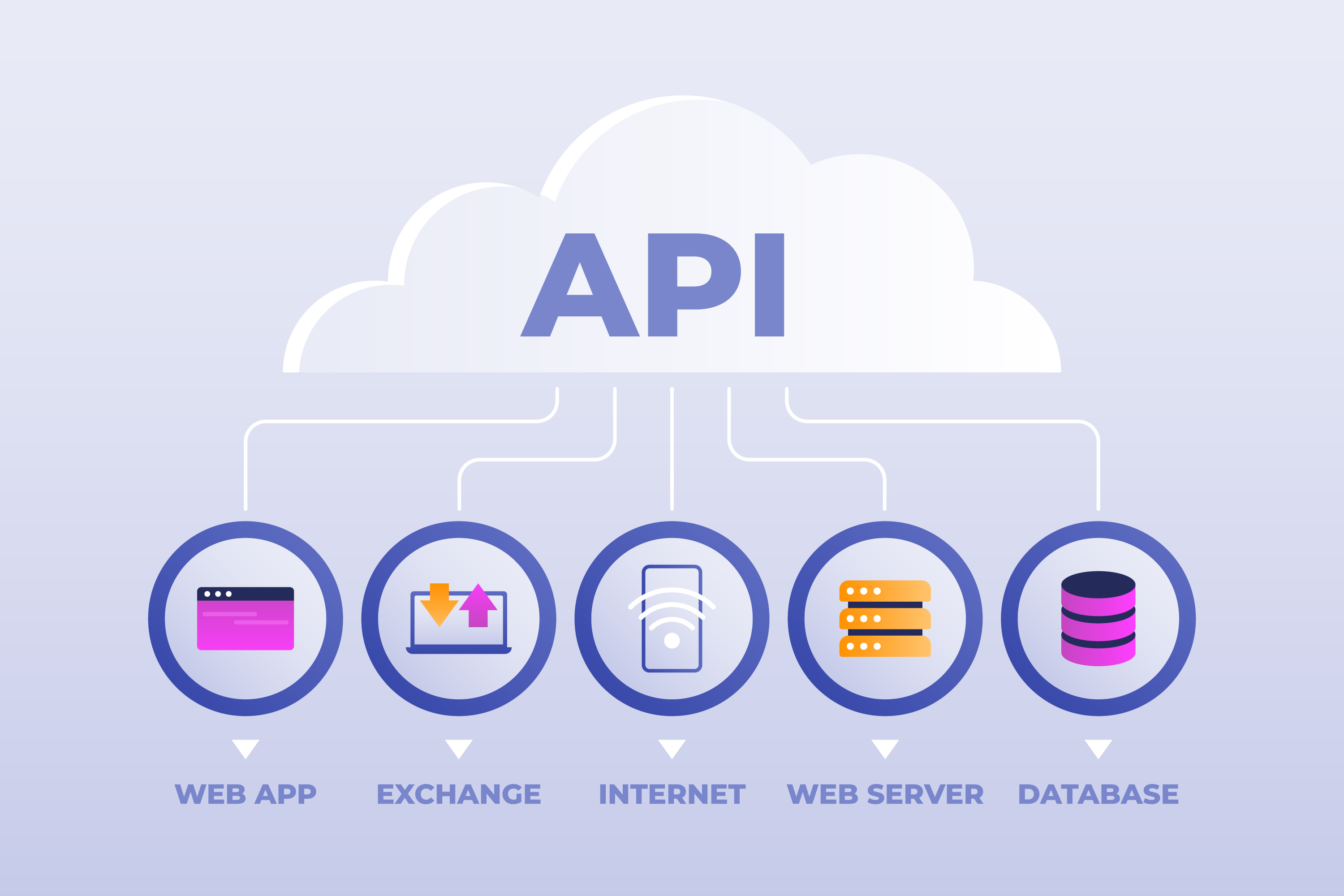
Advanced features: Connect complex databases, user login systems, and custom online shops with ease.
Full data control: Own your complete source code and avoid limits or fees set by third-party design platforms.
Cost: Only one payment, you may pay a fee for development maintenance.
Code ownership: customer owns the code despite of the business relationship ends.
Studio Designer/Website Builder Pros
Fast creation: Build layouts quickly using drag-and-drop elements without writing text-based code.
Visual feedback: See changes on the screen immediately as you pick colors, fonts, and images.
Easy client handoff: Let non-technical users update text and pictures easily through built-in admin panels.
Lower entry cost: Launch simple business sites or portfolios without hiring an expensive software engineer.
Cost: Monthly payment as long as you need the website and its domain online.
Code ownership: customer won't own the code, code is disposed after business relationship ends.
Why Web Developer is Better than Studio Designer/Website Builder For Website Development? It's often considered better due to the following reasons:
Customization: Web developers can create websites tailored to specific business needs, allowing for unique branding and features that website builders often limit.
Performance: Custom websites can be optimized for speed and performance, which is crucial for improving user experience and search engine rankings.
Functionality: Developers have the expertise to implement advanced features and integrations that website builders may not offer, such as custom workflows or CRM systems.
Long-term Scalability: Custom development allows for scalability as the business grows, ensuring that the website can accommodate additional features and users without significant changes.
SEO Optimization: Developers can optimize websites for search engines, ensuring better visibility and ranking, which is essential for online success.
Responsiveness: Developers focus on the technical aspects of a website, ensuring it performs well, loads quickly, and works smoothly on various browsers and devices. This is crucial for maintaining website performance and user experience.
User Experience: Developers are responsible for creating the user interface and backend logic, which directly impacts how users interact with the website. This is essential for delivering a seamless and intuitive experience.
Security: Developers implement security protocols to protect websites from threats, ensuring that sensitive information is secure and not exposed.
Maintenance: Developers handle ongoing support, maintenance, and fixing bugs, which is vital for keeping the website operational and up-to-date.
Collaboration: Developers often work closely with designers and project managers to resolve issues and ensure that the design and functionality align.
In summary, while studio Design/website builders offer ease of use and cost-effectiveness, web developers provide the flexibility, customization, and long-term benefits that can drive business growth.

Key Web Design Trends
Color Trends: There is a shift towards soothing and nurturing color palettes, moving away from overly saturated hues. Designers are using rich warm tones to create welcoming digital spaces that reduce visual fatigue.
Bold Typography: Typography is evolving with bold, expressive typefaces that capture attention. Variable fonts are becoming popular for their flexibility, while serif fonts are making a comeback, adding warmth to headlines and calls to action.
Custom Illustrations: Brands are increasingly using bespoke illustrations to create unique and memorable experiences. These illustrations enhance visual appeal and simplify complex ideas, making websites more engaging.
Glassmorphism: It's a modern UI design trend characterized by the use of translucent, frosted, and layered effects to create the illusion of glass. This style combines background blur, transparency, and soft lighting to enhance depth and hierarchy.
Sustainability: Eco-friendly design practices are gaining traction, with a focus on creating websites that are not only visually appealing but also environmentally responsible.
How It Works
FULLY RESPONSIVE
Creating a responsive website ensures it adapts to different screen sizes, providing an optimal user experience. Below are steps to make your website 50% responsive using HTML and CSS. Also Flexible Layouts, Media Queries, Responsive Images and Responsive Typography.
WELL DOCUMENTED
Involves a comprehensive set of practices and documentation that ensure clarity, accessibility, and ease of maintenance such as: Project requirements and scope, Technical documentation, User experience, Security and trust, Content, Aesthetics and functionality. These elements work together to crteate a website that is not only vidually appealing but also user-friendly, secure, and effective in achieving its goals.
EASY TO USE
Involves several key elements that contribute to a positive user experience such as: Clarity and Simplicity, Consistency, User-Friendly Navigation, Fast Loading Speeds, Mobile-Friendly Design, Clear CTAs, Security and Trust, Content and Functionality. These elements work together to create a website that is not just visually appealing but also functional and easy to navigate, ultimately leading to a better user experience and higher conversion rates.

59 Megan Cres, Barrie On
Our Websites and iOS apps are full responsive, well documented and easy to use.
(+1) 705-321-2489